Resource library
Learn French Through Songs: Pronunciation & Listening Practice
Use French songs to train pronunciation, rhythm, liaison and listening. Learn how to listen actively and turn music into practical French sound training.
15 songs
 Song
Papaoutai
Stromae
Fast, clear hooks for training syllable timing and stable vowel quality under tempo.
 Song
Formidable
Stromae
Modern cadence with teachable clarity: ideal for reductions and real spoken rhythm.
 Song
Balance ton quoi
Angèle
Contemporary phrasing that helps you hear intonation patterns and modern linking choices.
 Song
Avenir
Louane
Accessible modern diction to train liaison choices and clean sentence flow.
 Song
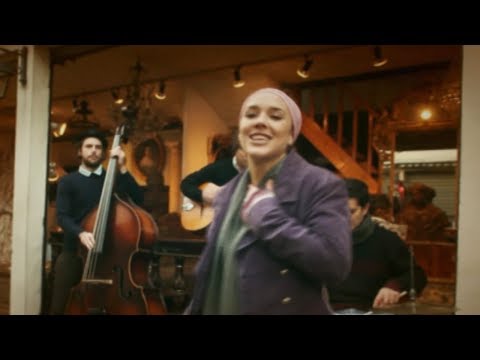
Je veux
Zaz
High-energy delivery that stays intelligible: perfect for front vowels and articulation.
 Song
Caroline
MC Solaar
Articulate rap delivery for training consonant precision and fast comprehension.
 Song
Ella, elle l'a
France Gall
Train "elle / l' / la" flow and clean consonants inside modern pop phrasing.
 Song
La grenade
Clara Luciani
Strong beat + clear vocal line: excellent for French R and controlled phrasing.
 Song
La Bohème
Charles Aznavour
Use sustained phrasing to stabilise French R and vowel openness without rushing.
 Song
Dernière danse
Indila
Melodic phrasing with dense nasal vowels: ideal for ear training and intonation control.
 Song
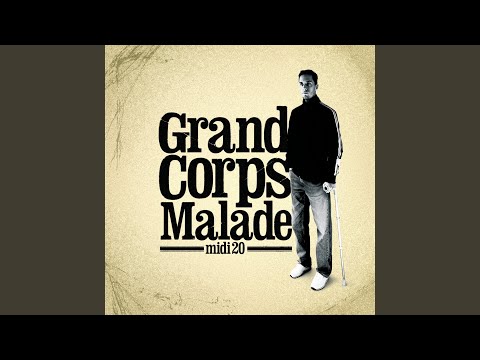
Les Voyages en train
Grand Corps Malade
Spoken rhythm with high intelligibility: perfect for real conversational pacing and phrasing.
 Song
La Vie en rose
Édith Piaf
Un classique intemporel pour pratiquer les voyelles nasales et la liaison.
 Song
Ne me quitte pas
Jacques Brel
Learn schwa (e muet) behaviour and phrasing control through clear, expressive delivery.
 Song
Je m'en vais
Vianney
Modern chanson with clean diction for training schwa drops and liaison choices.
 Song
Les Champs-Élysées
Joe Dassin
A repetition-heavy hook that makes nasal vowels and timing easy to drill.
Why songs work for pronunciation
Songs make sound memorable. Melody and repetition expose you to vowels, consonants, linking and rhythm again and again. But listening passively is not enough: the value comes from knowing what feature you are training.
How to use this library
Choose a song because it contains a sound or listening pattern you want to notice. Listen once without reading. On the second pass, identify the target. Then use a short phrase for imitation. Finally, return to the whole section and see whether your ear now catches the feature automatically.
The chase in french listening sequence
1. Hear it: listen before reading. 2. Find it: identify the target sound or rhythm. 3. Copy it: imitate one short phrase. 4. Contrast it: compare your version with the recording. 5. Transfer it: use the same sound in ordinary spoken French.
Train nasal vowels
Use songs with repeated AN/EN, ON, IN and related nasal patterns. The goal is not to sing beautifully; it is to hear vowel colour and reproduce it without adding an English-style final consonant.
Train rhythm
French rhythm is organised differently from English stress. Use a repeated lyrical phrase to notice how syllables group together, then speak the phrase without the melody while preserving the French movement.
Train liaison and linking
Songs can exaggerate or preserve connections between words. Notice where consonants attach to following vowels and compare the sung phrase with natural spoken delivery.
Train reductions and real spoken french
Contemporary songs often contain contractions and conversational forms. Use them as recognition practice, but always distinguish artistic lyric choices from ordinary everyday speech.
Train vowel contrasts
Build listening around contrasts such as U/OU, É/È and rounded vowels. Repetition makes a song useful for ear training when you know exactly what to listen for.
From music back to speech
The objective of this page is not to teach you to sing French. It is to use music as a controlled listening environment, then transfer the sound back into normal speech.
Choose your next step
Browse the curated song lessons by training objective. If a sound remains difficult, move to the corresponding pronunciation lesson for mouth placement and drills, then return to the song and listen again.